Beyond the Back Squat: The Squat Variations and What Each One Is For
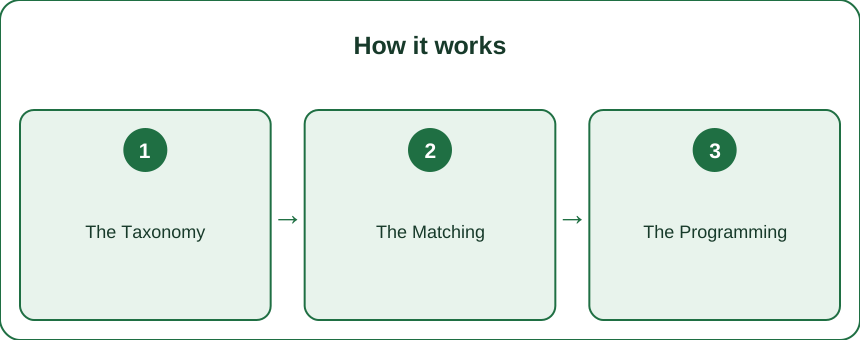
The squat is a family, not a single lift — the goblet that teaches, the front squat that postures, the split squat that balances — and knowing what each variation is FOR turns the family into a toolkit. The variations guide: the taxonomy, the matching and the programming.

The Taxonomy
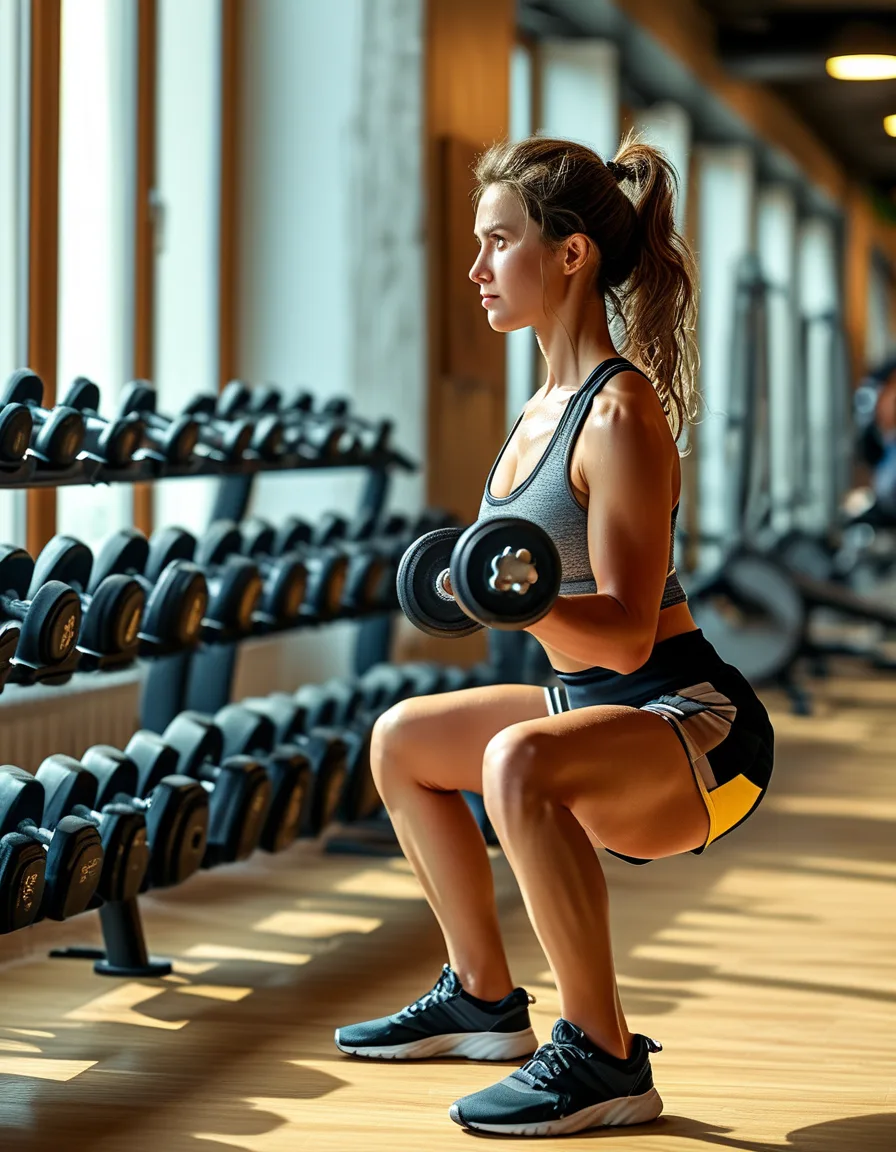
The family mapped: the goblet squat (the front-loaded dumbbell-or-kettlebell hold — the built-in counterbalance that teaches depth-and-posture; the beginner’s home and everyone’s warm-up per the squat-school doctrine), the back squat (the barbell classic — the heaviest-load variation; the low-bar-high-bar nuances deferred; the strength standard from the lift doctrine), the front squat (the bar racked on shoulders — the upright torso demand; the quad-and-upper-back emphasis; the mobility gatekeeper: the wrist-and-thoracic asks from the mobility doctrine), the split squat family (the static split, the rear-foot-elevated Bulgarian — the single-leg strength from the unilateral doctrine; the balance-and-asymmetry medicine), the box squat (the sit-to-target variation — the depth-teaching and confidence tool from the beginner doctrine; the knee-friendly control), the sumo-stance variation (the wide-stance inner-thigh emphasis — the hip-structure accommodation per the individual doctrine), and the overhead squat (the mobility audit disguised as a lift — the everything-revealed variation for the advanced).
The Matching
Variation by goal and body: the beginner’s path (the box-to-goblet progression from the squat-school doctrine — the barbell earned after the pattern owns itself), the strength-chaser (the back squat as the load king — the front squat as the second lift per the strength doctrine), the knee-sensitive lifter (the box squats and the controlled goblet work from the knee doctrine — the split-squat tolerance often surprising; the pain-free-variation-first rule per the pain doctrine), the posture-and-desk crowd (the front-loaded variations forcing the upright torso — the goblet-and-front squats as posture training per the posture doctrine), the runner-and-athlete (the split-squat emphasis — the single-leg reality of sport per the unilateral doctrine; the Bulgarian as the athletic staple), the home-gym lifter (the goblet-and-split family covering everything from the home doctrine — the one-kettlebell squat menu per the kettlebell doctrine), the mobility-limited (the box-and-sumo accommodations — the heel-elevated option from the ankle doctrine while mobility work proceeds), and the no-hierarchy note (the variations being tools, not rankings — the back squat optional forever per the individual doctrine).
The Programming
Using the family: the one-main-one-assist structure (the session’s primary squat plus a variation assist — the back-squat-then-split-squat classic; the pattern trained twice via different tools per the program doctrine), the rotation rhythm (the main variation held for 6-8 week blocks — the plateau answered by variation swap per the plateau doctrine; the front-squat block that returns a bigger back squat), the volume distribution (the heavy bilateral work plus the higher-rep single-leg accessories — the 6-10 rep splits per the hypertrophy doctrine), the warm-up integration (the goblet squat as every leg day’s opener — the pattern rehearsal at light load per the warm-up doctrine), the technique transfer (the goblet’s teaching cues carried to the barbell — the proud-chest and knees-tracking constants per the form doctrine), the progression paths (each variation progressed on its own ladder — the load, reps and range dials from the progression doctrine), and the closing frame (the squat family as one pattern in many costumes — the tool matched to the day’s goal and the body’s mood; the toolkit, deeper than one barbell; the legs, built by the whole family). Goblet to teach, back to load, splits to balance: the variations, assigned their jobs.
The squat is a toolkit: goblet teaches depth and posture, back squat loads heaviest, front squat forces upright torsos, split squats fix asymmetries, box squats build knee-friendly confidence. Program one main plus one assist variation, rotate mains every 6-8 weeks, and remember the back squat is optional forever.
See It in Motion
Seen here: High Waist Bootcut Yoga Pants — shop it on bubblelime.com
Keep Reading
This article is for general informational and styling purposes only. Fit, sizing, and product availability may vary.