Why Your Squat Feels Stronger on Leg Day Than in a Group Class
Quick Answer: In a solo session, you set your own pace and rest between reps as needed. In a class, cadence is set by the instructor or the group, forcing faster tempo and shorter rest than your body has actually adapted to — which is a pacing and cognitive-load problem, not a strength problem.
The weight on the bar is identical. What’s different is that you’re now squatting to someone else’s rhythm while also listening for cues and watching the clock, and all of that pulls attention away from the technique that felt automatic alone.
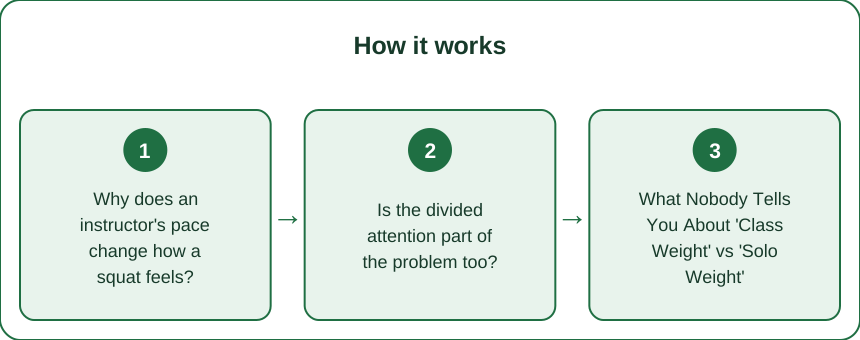
Why does an instructor’s pace change how a squat feels?
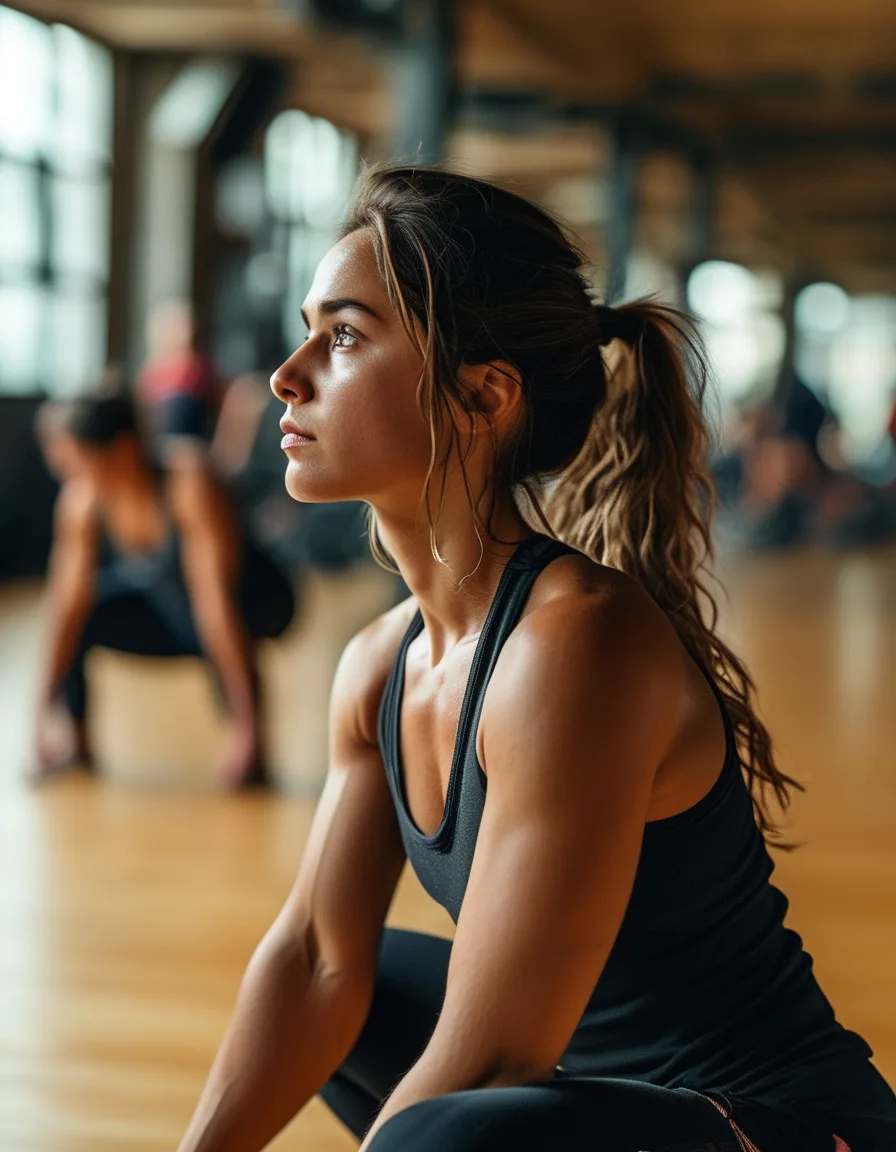
Solo lifting lets you breathe out, reset your brace, and take the exact rest you need between reps, which keeps form technically clean. Class pacing removes that buffer — reps come on a count or a timer, often faster than your natural rhythm, so your brace and breath get rushed even at a weight you can normally handle easily.
A rushed brace specifically reduces core stability under the bar, which shows up as the exact ‘shakiness’ people report in class despite lifting weight they’ve squatted cleanly before.
Is the divided attention part of the problem too?
Yes, and it’s often the bigger factor. In a solo session, 100% of your attention goes to your own form. In a class, attention splits between the instructor’s cues, the group’s pace, and occasionally comparing yourself to neighbors — leaving less mental bandwidth for the fine motor control a heavy squat needs.
This is a well-documented pattern in skill performance generally: divided attention degrades technical execution even when physical capacity hasn’t changed at all.
What Nobody Tells You About ‘Class Weight’ vs ‘Solo Weight’
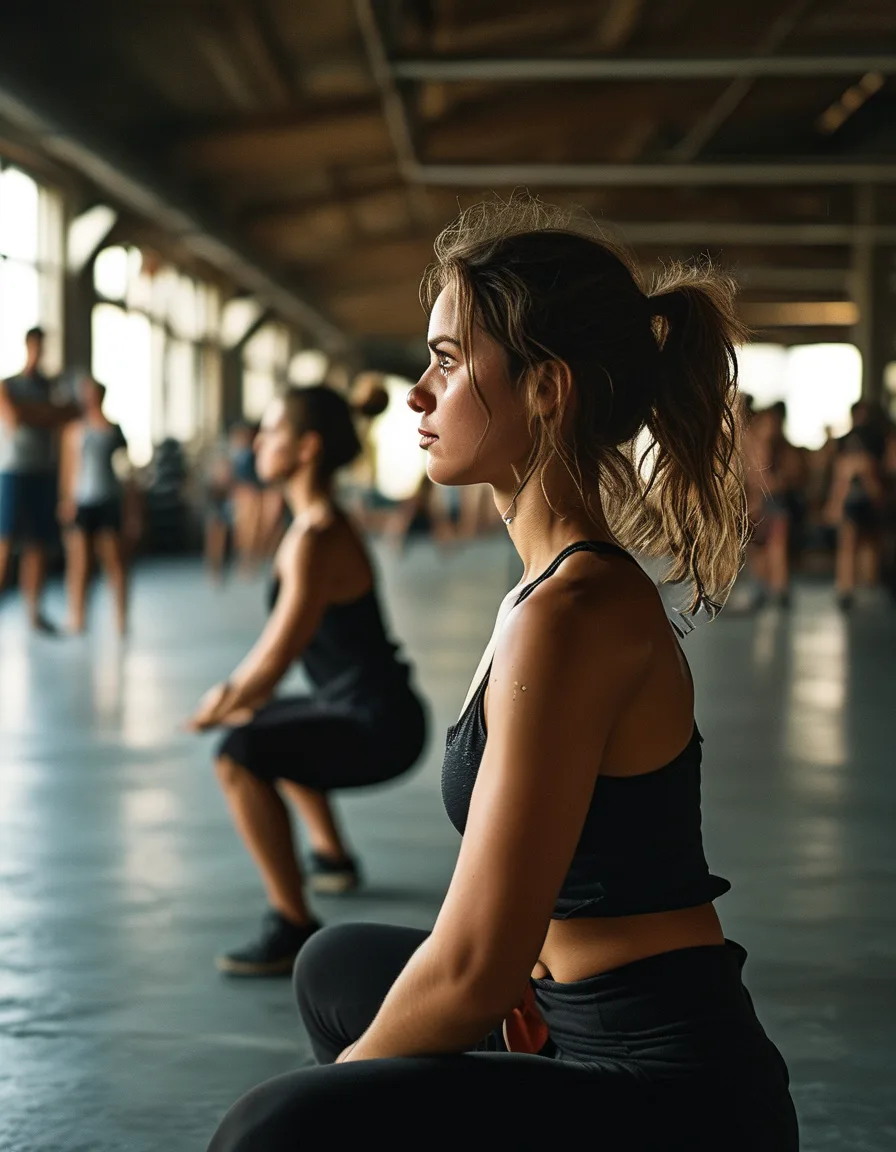
Here’s what experienced lifters eventually learn: it’s normal and expected to use a lighter weight in a paced class setting than you’d use solo, and that’s not a regression — it’s an accurate response to a genuinely different task (rushed tempo, divided attention) rather than the same task at a lower ability.
Trying to match your solo PR weight in a class setting is usually where the ‘shaky’ feeling and form breakdown actually comes from — not from being weaker that day.
How should you actually approach squats in a group setting?
Default to 10-20% lighter than your solo working weight in a cued, paced class, and treat it as valid training rather than a downgrade. If the instructor allows self-paced reps within the set, take the extra half-second to reset your brace between reps rather than matching the group’s count exactly.
Save true strength-testing squats — heavy singles, working up to a top set — for solo or lower-distraction sessions where your full attention and natural pacing are available.
FAQ: Squat Performance Context Questions, Answered
Is it bad for my progress to lift lighter in classes than solo?
No — different contexts serve different purposes. Classes are excellent for conditioning, consistency, and coaching cues; solo sessions are better suited to testing true strength ceilings.
Should I tell the instructor I need to go at my own pace?
Most instructors welcome this — quietly taking an extra breath between reps or dropping weight slightly is normal and expected, not something that needs announcing.
Does this pattern go away with more class experience?
Partly — familiarity with the format reduces the cognitive load over time, narrowing the gap between class and solo performance, though most lifters still find heavy singles are better tested outside a cued group pace.
TL;DR:
- Instructor-paced reps rush your breath and brace, reducing stability even at familiar weights
- Divided attention between cues, pace, and the room pulls focus away from fine motor control
- Using lighter weight in class than solo is a normal, accurate response — not a regression
- Save true strength testing for solo sessions with full attention and self-set pacing
Drop the ego weight in class, save the heavy singles for when the pace and attention are entirely yours.
See It in Motion
Seen here: Bootcut Capri Yoga Pants with Pockets — shop similar styles on bubblelime.com
Keep Reading
This article is for general informational and styling purposes only. Fit, sizing, and product availability may vary.