High Bar vs Low Bar Squat: Which One Should You Actually Be Doing?
Quick Answer: High bar squats (bar resting on the upper traps) produce a more upright torso and emphasize the quads, making them a good default for general strength and most beginners. Low bar squats (bar resting lower, across the rear delts) allow more forward lean and hip drive, emphasizing the glutes and hamstrings and typically allowing heavier loads — a common choice for powerlifting-focused training.
Both are legitimate squat variations, not a right-versus-wrong pair, but they train slightly different things and suit different goals and body proportions.
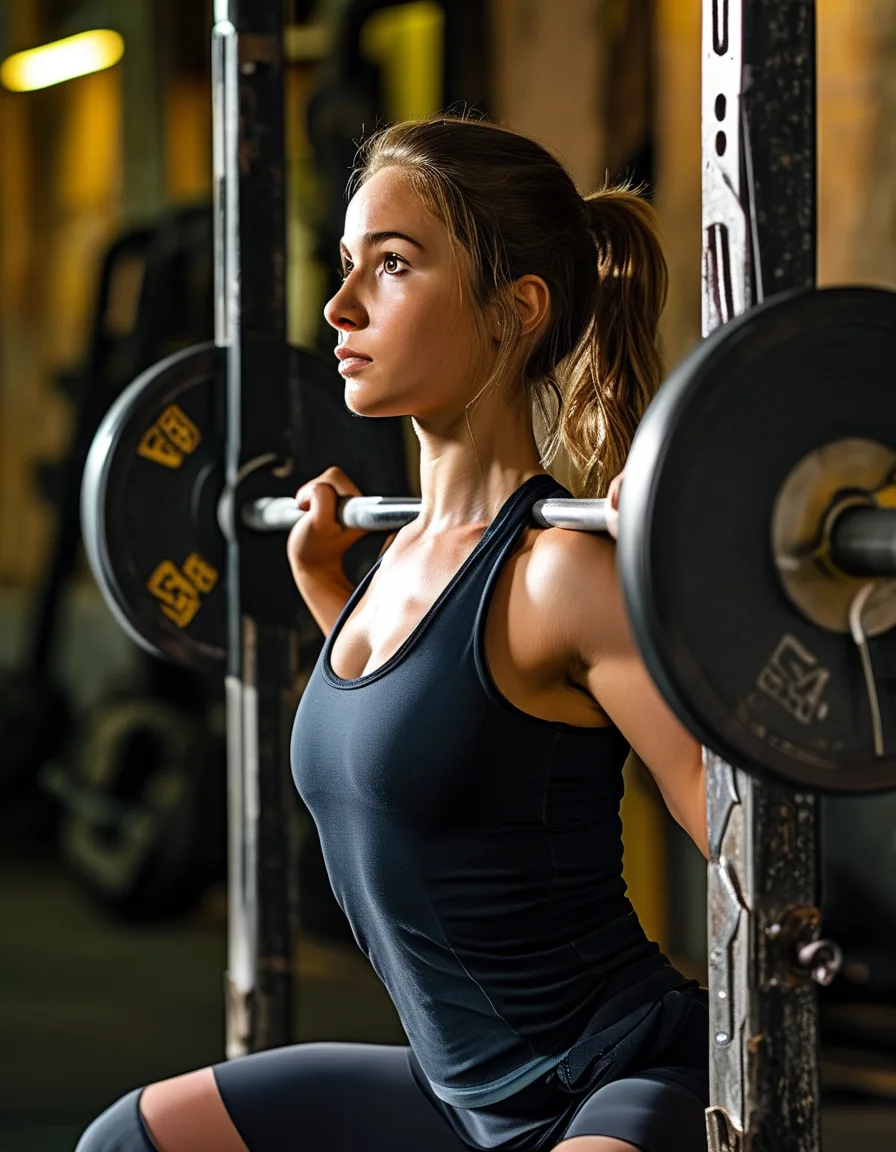
What actually changes mechanically between the two?
Bar placement shifts where the load sits relative to your center of mass. High bar keeps the bar closer to a vertical line over your midfoot with a more upright torso, which shifts more of the work onto the quads and requires more ankle mobility to keep the torso upright through a full depth squat.
Low bar shifts the load slightly back, which naturally encourages more forward torso lean and hip hinge to keep the bar over midfoot — this hip-dominant pattern recruits more glute and hamstring involvement and generally allows a shorter effective range of motion, which is part of why it often permits heavier loads.
Why do powerlifters generally prefer low bar?
Low bar squats typically allow the heaviest total load for a given lifter, because the shorter torso travel and more favorable leverage (shorter moment arm from hips to bar) reduce the total mechanical work required per rep compared to high bar at the same depth. In a sport scored purely on weight lifted, that efficiency matters directly.
This doesn’t make low bar ‘better’ outside of powerlifting specifically — it’s optimized for one particular scoring criterion, not for quad development, general athleticism, or squat pattern that carries over to sports involving an upright torso.
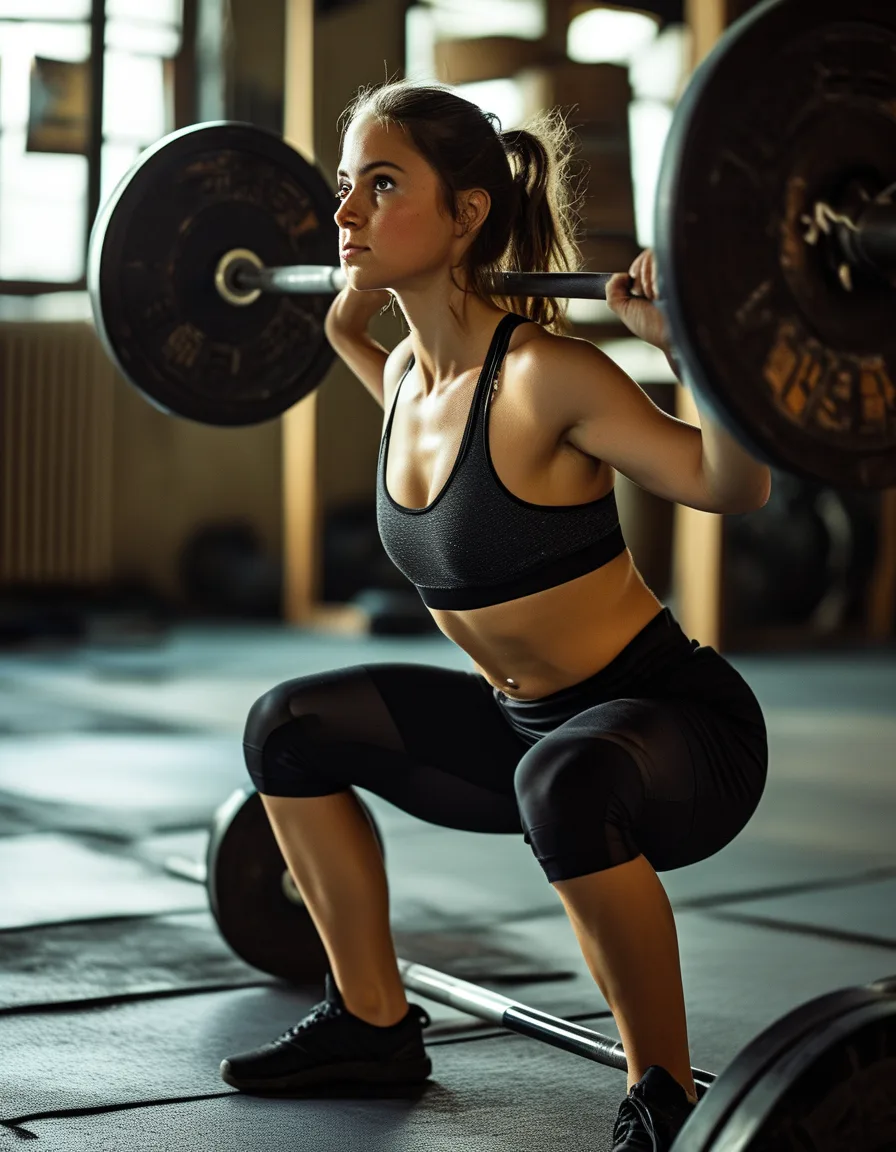
Why might high bar suit most general fitness goals better?
The more upright torso position more closely mirrors real-world and athletic movement patterns — jumping, running mechanics, and everyday functional squatting tend to happen with a more vertical spine than a heavily loaded low bar position. For general strength, quad development, and movement carryover outside the gym, high bar is often the more broadly useful default.
It also tends to be more forgiving to learn for beginners without a coach present, since the more upright torso reduces some of the technical precision low bar’s forward lean requires to stay balanced and safe under heavier loads.
Does body proportion actually determine which one fits better?
Yes, meaningfully — lifters with long femurs relative to their torso often find high bar squats mechanically awkward, requiring excessive forward lean or heel elevation to reach depth, and may naturally gravitate toward low bar’s more forward-lean pattern, which better accommodates that leverage. Lifters with more balanced or shorter femur-to-torso ratios often find high bar comes more naturally.
This is a real biomechanical factor, not just preference — trying both with light weight and noting which one feels naturally more stable and comfortable at depth is a more reliable guide than following general advice alone.
FAQ: High Bar vs Low Bar Squat Questions, Answered
Can I switch between high bar and low bar depending on my training goal?
Yes, many lifters use both at different points — high bar for general strength and quad-focused phases, low bar when specifically training for max load or powerlifting-style performance.
Is one significantly safer than the other?
Both are safe with proper form and appropriate loading — the more relevant safety factor is whether your individual mobility and technique match the position you’re using, not an inherent risk difference between the two.
Does bar position affect knee stress differently?
High bar’s more upright, quad-dominant pattern generally involves slightly more forward knee travel, while low bar’s hip-dominant pattern shifts more stress to the hips and lower back — neither is inherently harder on joints with proper form and reasonable loading.
TL;DR:
- High bar: upright torso, quad-focused, generally more beginner-friendly and functional
- Low bar: more forward lean, hip/glute-focused, typically allows heavier loads
- Powerlifters favor low bar for its leverage advantage on max load specifically
- Femur-to-torso proportion genuinely affects which position feels naturally more stable
Try both with light weight and let your own mechanics and goals decide — neither position is the universally correct default.
See It in Motion
Seen here: High Waist Bootcut Yoga Pants — shop it on bubblelime.com
Keep Reading
This article is for general informational and styling purposes only. Fit, sizing, and product availability may vary.